
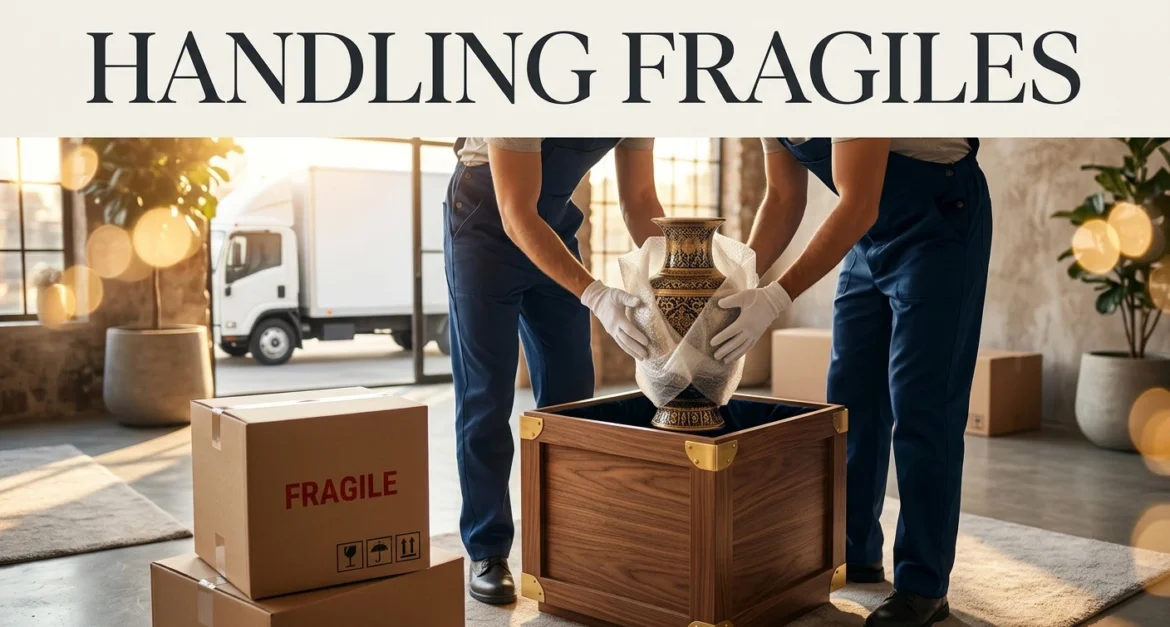
How Do Moving Companies Handle Fragile or Valuable Items During a Move?
If you have antiques, artwork, glass, electronics, instruments or another item you cannot afford to damage, the most important question is not simply whether a mover will carry it. The real question is how the item will be identified, packed, labelled, loaded, secured, delivered and covered if something goes wrong.
At Merc Movers London, we ask customers to tell us about delicate or valuable items before moving day.
That advance notice matters because a glass cabinet, a family heirloom, a large mirror and a high-end computer do not need the same protection. A good moving plan starts before the first box is lifted.
The Short Answer: What Professional Movers Should Do
A careful, fragile-item move should follow a clear sequence:
Identify the item before the quote, decide who will pack it, choose the right protection, mark any special handling instructions, secure it so it cannot shift in the truck, inspect it at delivery, and understand the liability and claims terms before the move begins.
For larger antiques, artwork, sculptures, glassware or other delicate pieces, our Antique & Fragile moving service describes item-specific assessment, protective wraps, foam padding and custom-designed crates where the item requires that level of protection.
Here’s a step-by-step process in depth –
1. Tell Us What Is Fragile, Valuable or Irreplaceable Before the Quote
Do not wait until the truck is at your door to point out the item you are most worried about. Tell us during the estimate or booking stage. That gives us a chance to understand the size, weight, material, condition, access route and handling needs before we plan the crew and packing.
It also helps to separate three ideas that are often mixed together:
- Fragile: items that can crack, chip, bend or break easily, such as glassware, mirrors, ceramics and framed art.
- High-value: items with significant financial value, such as fine art, antiques, premium electronics or collectibles.
- Irreplaceable or sentimental: items whose personal value cannot be restored by a payment, even if their market value is modest.
For an item that needs special attention, send clear photos and basic details before the move. Dimensions, approximate weight, known weak points, existing damage, stairs, elevators and tight doorways can all affect the handling plan. We would rather know too much about a fragile item than discover an important detail while it is being carried.
If you’re still preparing the move itself, this moving checklist covers the basic planning, packing and moving-day tasks that can easily get overlooked.
2. Decide Who Should Pack the Item
Not every fragile item needs full-service packing, but the responsibility should be clear before moving day. Our packing services include full or partial packing, furniture protection and fragile-item handling.
This choice matters for another reason: liability. Our Terms of Use state that we are not responsible for damage caused by improper customer packing. Ontario’s official guidance on hiring a mover specifically recommends asking whether the mover’s insurance covers items you packed yourself and who is responsible if something is damaged or lost.
If an item is expensive, delicate or difficult to replace, do not assume that a box you packed yourself will be treated the same as an item packed under the mover’s service. Ask before you sign.
3. Match the Packing Method to the Item
Good fragile-item packing is not about adding random layers of wrap. The protection has to match the item’s shape, surface and weak points.
Glassware, Dishes and Small Breakables
Small, fragile pieces need individual protection, cushioning around the box and enough internal support to stop them from striking one another.
The goal is simple: once the box is closed, the contents should not be able to move freely inside it.
Artwork, Mirrors and Antiques
These items may need corner protection, padding, a fitted carton or a rigid crate depending on their size and fragility. Our fragile item transport and packing guide explains some of the packing methods used to reduce the risk of damage during handling and transport.
At Merc Movers, we use high-quality wraps, foam padding and custom-designed crates as available protection methods.If the item is an antique piece of furniture, the handling process may need to go further than standard wrapping and padding.
Electronics and Sensitive Equipment
Electronics need protection from impact and movement, but some equipment also needs attention to static and cables. Protective packing for expensive or fragile technology should use materials intended to reduce static and physical damage.
Before packing, back up important data and remove anything you need immediate access to after the move.
Pianos, Instruments and Unusually Heavy Pieces
A fragile item can also be heavy or awkward. Pianos, instruments, appliances and other specialty pieces may need a different crew setup, equipment or handling path.
If you’re moving an instrument, our guide to protecting musical instruments during long-distance transportation covers some of the additional handling considerations involved.
4. Label Fragile Items So the Whole Crew Sees the Instructions
A careful packing job can still fail if the handling instructions are unclear. Item and room labelling should use clear descriptions and special markings for fragile pieces, with instructions such as “Fragile,” “This Side Up” and “Do Not Stack.”
Clear marking helps the crew know which boxes need different handling and helps prevent a fragile carton from being treated like a box of books. It also makes unloading easier because the destination room and handling instructions are visible before the box is moved again.
5. Load and Secure the Item So It Cannot Shift in Transit
Packing protects the item from direct contact. Loading protects it from the movement of the truck. Both matter.
A professional moving crew anchors items in the vehicle so they do not move while the truck is in transit. For fragile pieces, the practical goal is to keep the item stable, avoid crushing pressure and prevent heavy items from shifting into it during braking, turning or normal road vibration.
This is also why a mover needs to know about a large mirror, antique cabinet or delicate instrument before loading starts. The truck has to be packed as a system, not as a random collection of boxes.
6. Check Fragile Items During Delivery — Before the Movers Leave
At the destination, the crew unloads and places belongings according to the customer’s instructions. Your part is equally important: be present, check the items you were most concerned about and raise any issues while the move is still fresh.
Ontario’s consumer guidance tells customers to supervise pickup and delivery and make a note of missing or damaged items before the movers leave. Canada’s Office of Consumer Affairs moving advice also recommends checking items against the inventory at delivery and documenting damage promptly.
7. Keep Small, Irreplaceable Valuables With You
Professional movers can handle many large, fragile and high-value items, but that does not mean every valuable item should go on the truck.
A practical rule is to carry small, irreplaceable items yourself whenever possible. That includes cash, jewellery, passports, essential documents, medications, keys, small heirlooms and devices you need immediately. If a valuable item is too large or complex to carry yourself — such as a large painting, antique cabinet or piano — declare it in advance and make the handling and coverage terms part of the written plan.
8. Understand Coverage and the Claims Process Before Moving Day
Do not rely on the phrase “fully insured” without asking what it means for your specific item. Coverage, exclusions and valuation can differ. The important question is what your written contract says will happen if the item is lost or damaged.
Federal consumer guidance recommends checking your household insurance as well as the mover’s coverage, asking about liability for owner-packed goods, and confirming the claims procedure and deadline before the move. If you are moving an item with unusually high financial value, ask for the coverage terms in writing rather than assuming the standard protection matches the item’s replacement value.
9. Ask These Questions Before You Book a Mover for Fragile Items
If you are comparing moving companies, these questions will tell you more than a generic promise to “be careful”:
- Do you need photos, dimensions or a declared value before quoting this item?
- Will your crew pack it, or will you move an owner-packed item?
- What packing materials or crate will be used for this specific item?
- How will the item be labelled and kept from shifting in the truck?
- Is there anything about stairs, elevators, doorways or parking that changes the handling plan?
- What does your liability or protection cover if the item is damaged?
- Are owner-packed items treated differently under the contract?
- What is the claims process and how quickly must damage be reported?
If the answers are vague, ask for clarification before booking. If you’re comparing quotes, our guide on how to read a moving company quote in Ontario explains what to look for in the scope, pricing and conditions before you book.
A high-value item deserves a specific plan, not a last-minute instruction on moving day.
How to Prepare a Fragile-Item Move With Us
The easiest way to help us plan is to send the fragile-item details before the estimate.
- List the fragile, valuable, antique, oversized or unusually heavy items.
- Send clear photos and approximate dimensions for anything that may need special handling.
- Tell us about stairs, elevators, tight corners and parking or loading restrictions.
- Decide whether you want full packing, fragile-only packing or moving only.
- Keep small valuables and essential documents with you.
- Ask us to explain the written coverage and claims terms for the items you are most concerned about.
You can then request a quote from us with the real details of the move. That gives us a better basis for choosing the crew, materials and specialty support before moving day.
Frequently Asked Questions
Can movers handle antiques, artwork and mirrors?
Many can, but the service should match the item. We offer dedicated Antique & Fragile Moves and specialty-moving options for pieces that need more planning than ordinary furniture.
What valuables should I move myself?
Small valuables and essential items are usually best kept with you. We recommend carrying items such as jewellery, important documents, phones and other personal valuables yourself.
Do movers use custom crates for valuable items?
They can when the item needs rigid protection. We use custom-designed crates along with wraps and foam padding for delicate, high-value pieces.
Should I photograph valuable items before a move?
Yes, clear photos give you a record of the item before transport and make it easier to discuss pre-existing marks or any damage noticed at delivery.
What should I do if I notice damage after the move?
Document it immediately, keep the packaging where practical, and contact the mover promptly. Our Terms of Use state that claims must be reported within 48 hours after the move, so do not delay.
Have Fragile or Valuable Items in Your Move?
Tell us before moving day, not when the item is already at the truck. Share the item, size, photos, access details and the kind of help you need. We can then plan the packing or specialty handling around the actual item and explain the written terms before the move begins.